
How Carpooling Reduces CO₂ Emissions
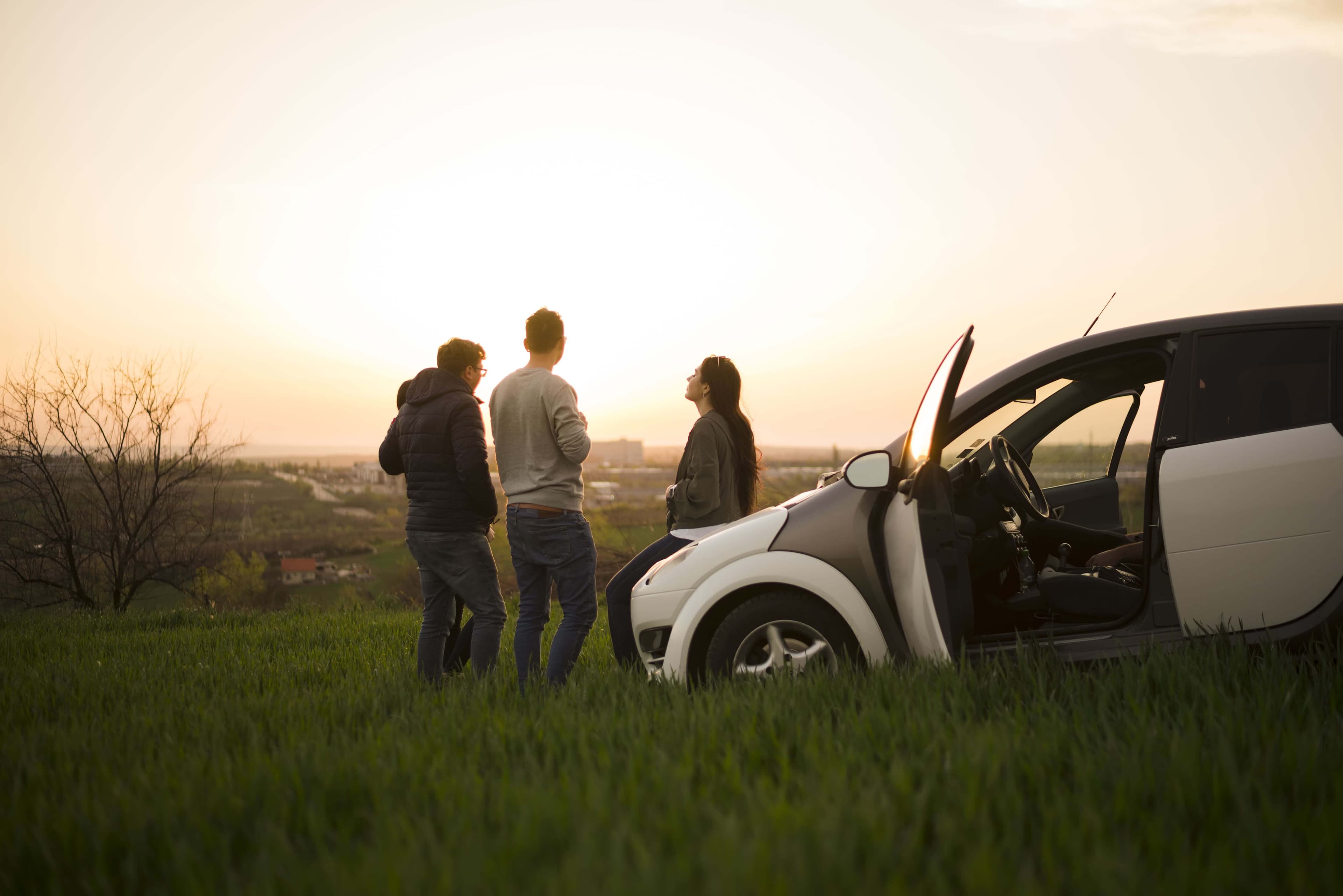
Picture the highway between Casablanca and Marrakech on a Friday afternoon. Hundreds of cars, bumper to bumper, and if you looked inside each one, you'd see the same thing over and over: one driver, four empty seats. Nobody planned it that way. It's just what happens when everyone quietly assumes they have to make the trip alone.
That assumption is costing more than we realize — not in dirhams, but in the invisible cloud of CO₂ trailing behind every one of those cars. And the fix isn't some big green revolution. It's ridiculously simple: fill the seats that are already there.
The car doesn't care how many people are in it
Here's something most people never stop to think about: a car burns roughly the same amount of fuel whether it's carrying one passenger or four. The engine isn't working four times harder because there are four people instead of one — it's moving the same weight of metal down the same road either way. Which means every empty seat is fuel being spent for nobody.
So when two people share a ride instead of taking two separate cars, the CO₂ emitted per person for that trip drops by roughly half. Add a third and fourth passenger, and it drops further still — while the total emissions from the trip barely budge. You're not reducing pollution by driving more carefully. You're reducing it by not sending three extra cars down the same road in the first place.
Why this matters more than it sounds like it should
Transportation is one of the biggest single contributors to global CO₂ emissions, and passenger cars carry a heavy share of that. What makes it different from, say, a factory smokestack somewhere far away, is that this one is personal. It's not an abstract industry problem — it's the car in your driveway, the trip you take every week to visit family, the daily commute. Which is also exactly why it's a problem ordinary people can actually do something about, starting today, without waiting for policy or technology to catch up.
What it actually looks like on Moroccan roads
Think about the corridors people travel constantly — Rabat to Casablanca, Fès to Casablanca, Tangier down toward Rabat. Every single day, these routes are full of private cars making nearly identical journeys, most of them carrying just one person. Nobody's doing anything wrong. It's simply how solo car travel has always worked.
But imagine even a modest share of those solo drivers picked up two or three people heading the same way. Same destination, same road, same time — just fewer cars getting them there. Nobody has to change their route or their schedule. The only thing that changes is how many vehicles it took to move the same number of people.
That's the gap platforms like DiniMaak exist to close — not by inventing new trips, but by connecting the ones already happening, so a driver heading to Marrakech anyway doesn't make that trip with three empty seats when three other people needed exactly that ride.
The other things you notice once you start carpooling
Lower emissions is the headline, but it's rarely the only thing people notice once carpooling becomes a habit. Less traffic on the roads you drive regularly. Fuel costs split instead of carried alone. Less scrambling for parking when you arrive. And for people who travel often for work or to see family, a noticeably lighter footprint without ever having to give up having a car.
None of that required new roads, new technology, or a grand plan. It just required using the seats that were already sitting empty.
It adds up quieter than you'd expect
One shared ride doesn't feel like much on its own — and honestly, it isn't. But that's how most real progress on emissions actually happens: not through one dramatic fix, but through the same small choice made again and again, by more and more people. Someone who carpools twice a week instead of driving solo is, by the end of the year, responsible for dozens of trips that simply never needed a second car. Multiply that across a growing community, and the number stops being small.
Every completed carpool is really two things happening at once: someone gets where they're going, and one less car makes that same trip separately.
Where DiniMaak comes in
None of this works if carpooling is a hassle. Nobody's going to choose the eco-friendly option if it means struggling to find a trip, wondering who they're getting in a car with, or arguing over gas money. So that's the part DiniMaak is built to handle — matching drivers who are already making a trip with passengers who need to go the same way, verified profiles, a simple way to split costs, and a booking that takes less time than deciding what to have for lunch.
You don't need to overhaul how you travel to make a difference. You just need to check, before you get in the car alone, whether someone else is already headed exactly where you're going.
Ready to make your next trip count for something more? Download the DiniMaak app and find a verified carpool near you today on dinimaak.com.